Film Viewpoint story desk

Film stories with room to think

Film Stories brings together plot summaries, character threads and themes worth sitting with. Written in natural Australian English for curious viewers, these pieces look beyond a film’s surface without pretending to replace the experience of watching it. Explore plot summaries, character profiles, verified production facts and thematic articles at your own pace.

Spoiler-aware reading: previews and opening summaries stay premise-led. Detailed material is labelled and sits behind a deliberate Show spoiler discussion control, so labels and controls—not colour alone—keep you in charge.

Open cream notebook, ticket stub and pencil on a warm desk with blue and orange paper accents
Editorial illustration for Film Viewpoint.

Start with a question

From first premise to a fresh viewpoint

Choose a spoiler-safe overview, follow a character’s changing perspective, or take a thematic route through films that keep asking more of their settings, families and communities.

Featured story

Parasite: a house built around distance

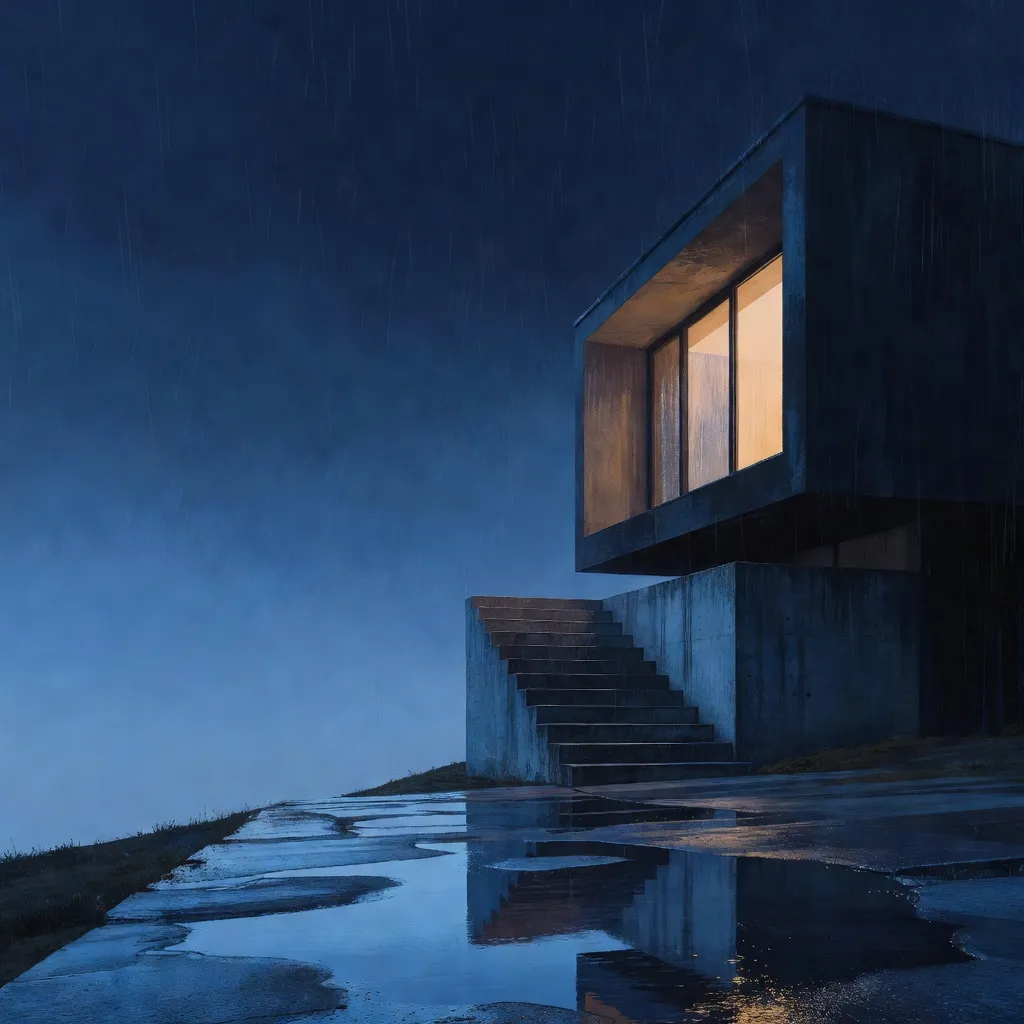
Editorial illustration of a modern hillside home in rain with a warm upper window and concrete stairway
Editorial illustration for Film Viewpoint; not an official film still.
Opening summary — spoiler free

Parasite, directed by Bong Joon-ho, is a darkly comic drama about the Kim family and their growing involvement with the affluent Park household. This premise-led overview follows the careful ways the two families begin to occupy the same social orbit, while stopping well before the film’s major turns. It is an invitation to notice the pressure in ordinary conversations, rooms and routines—not a full plot account.

Our reading · Editorial interpretation

Our associated article considers how space, labour and class shape the film’s tension. That is Film Viewpoint’s editorial interpretation rather than a claim about Bong Joon-ho’s stated intention: the film’s architecture becomes a useful way to think through who is seen, who serves and who gets to feel at home.

Verified production information
Compact factual context for the featured film.
Director
Bong Joon-ho
Country
South Korea
Release year
2019
Screenplay
Bong Joon-ho and Han Jin-won

Editorial preview published 18 March 2024.

Choose a route

Find a story by feeling or genre

Start with drama, horror, science fiction, comedy or animation. Each route pairs plot-led reading with context-rich analysis, then opens into editorial collections shaped by a question rather than a fixed shelf.

Genre routes

Mood-led editorial pathways

Choose a route: select a genre or mood to foreground a fitting editorial pathway. Collections connect articles by a shared question, theme or storytelling device, while every individual article keeps its own spoiler label.

Unsettling family dynamics

Stories about households, obligations and the quiet negotiations that make a family feel safe—or suddenly unfamiliar.

Follow this editorial question

Cities after dark

Night streets, built environments and places where a setting begins to steer the people moving through it.

Explore place-led stories

Coming of age

Character-led reading on uncertainty, responsibility and the small choices that make a self more visible.

Meet character lenses

Big ideas, human stakes

Films that make room for ambitious ideas while keeping attention on one person’s body, voice or difficult decision.

Read recent stories

Latest story desk

Three ways into a film

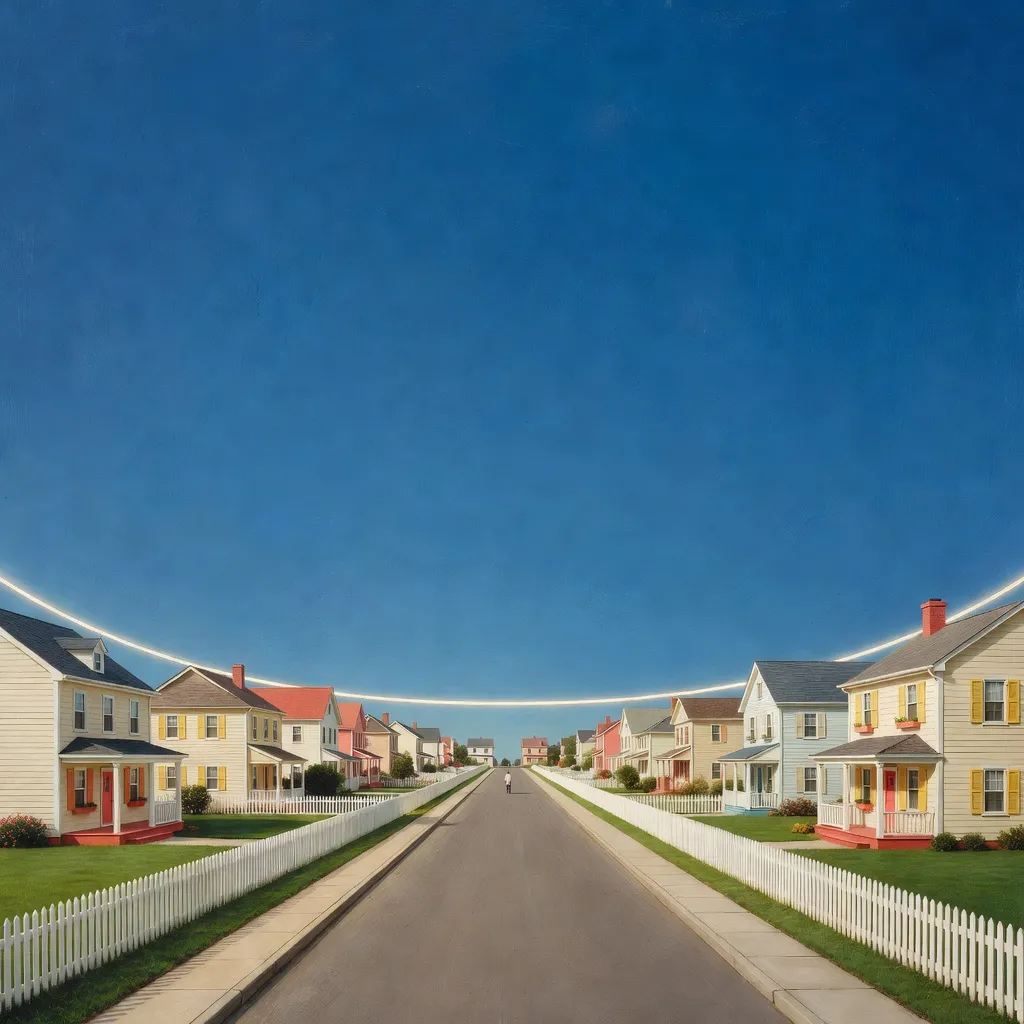
Editorial illustration of a perfect small-town road beneath a subtly curved painted blue sky
Editorial illustration for Film Viewpoint.
Plot summary and theme

8 July 2024 · Verified context: The Truman Show (1998), directed by Peter Weir. Jim Carrey plays Truman Burbank.

The Truman Show: the life that will not stay scripted

Our spoiler-free entry follows Truman Burbank’s dawning sense that the world around him is arranged for someone else’s benefit. It stays with the premise, then considers why routines, neighbours and sunny reassurance can become unsettling when a person begins to question who has written the terms of their life.

Read the spoiler-free story
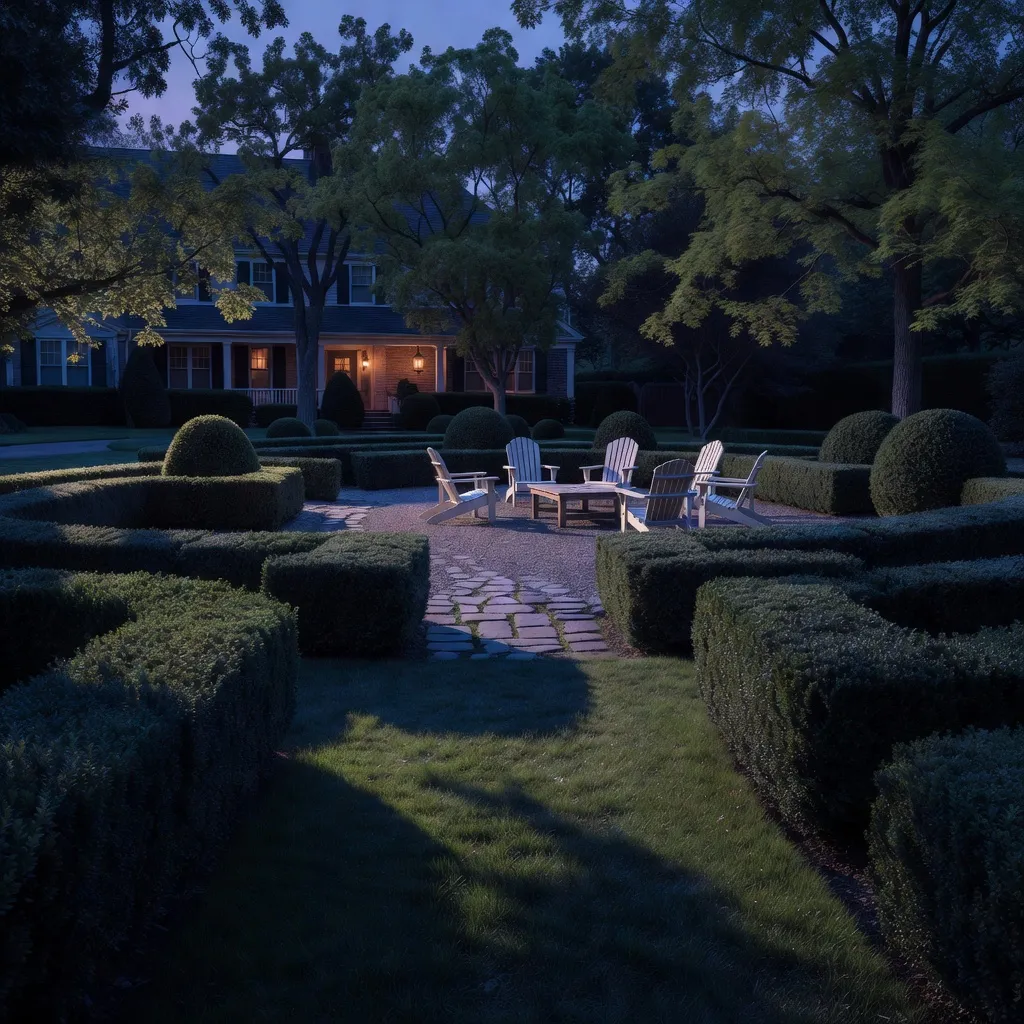
Editorial illustration of a manicured suburban garden at twilight with empty white chairs and a path to a lit house
Editorial illustration for Film Viewpoint.
Editorial interpretation

21 August 2024 · Verified context: Get Out (2017), written and directed by Jordan Peele. Daniel Kaluuya plays Chris Washington.

Get Out: when politeness becomes pressure

This premise-safe editorial reading begins with Chris Washington’s social unease and asks how politeness can become a source of pressure. The article’s interpretation belongs to Film Viewpoint; it does not treat its thematic reading as a final explanation of the film.

Explore the spoiler-free introduction
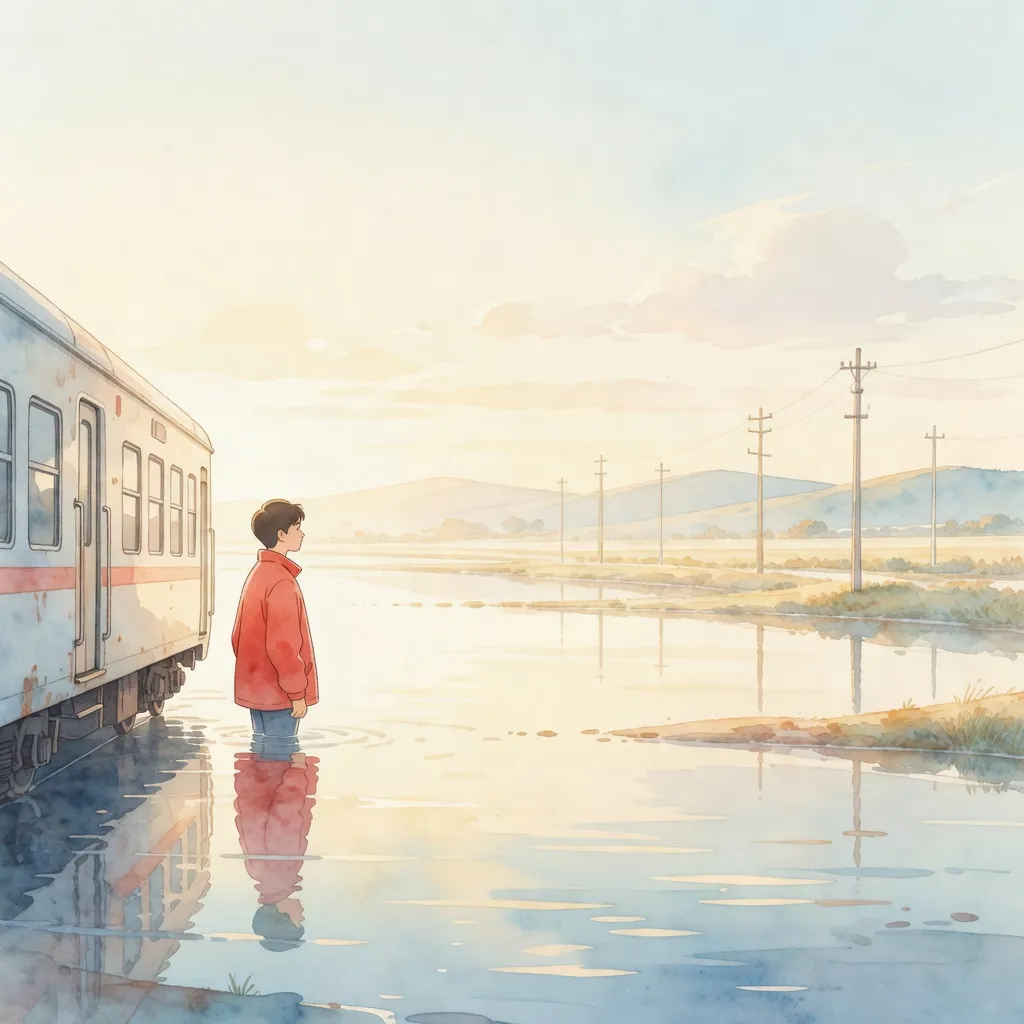
Watercolour editorial illustration of a generic young traveller by a train window crossing reflective water at dawn
Editorial illustration for Film Viewpoint.
Character focus

14 October 2024 · Verified context: Spirited Away (2001), written and directed by Hayao Miyazaki. Chihiro is the central character.

Spirited Away: Chihiro’s work of becoming

This character-focused piece observes Chihiro’s changing confidence without rushing past the uncertainty in her choices. It reads resilience and responsibility as possibilities in what the film shows, rather than presenting that reading as an author statement or a settled fact.

Explore Chihiro’s character lens

Spoiler controls, explained

You decide when the detail arrives

Article previews and opening summaries aim to establish premise and context. Turning points, endings and detailed scene discussion receive a direct spoiler label immediately before the concealed material. We use plain language because an alert should help you choose, not make you decipher a warning system.

In detailed Film Viewpoint stories, a labelled reveal keeps that choice reversible. The control is announced to screen readers, works with keyboard and touch, and never asks colour alone to carry the warning.

Reading collection

Stories of places that watch back

When does a place become part of the story? This curated path gathers films where domestic rooms, suburbs, institutions and constructed environments influence what characters can know and do. The entries combine factual context with Film Viewpoint’s editorial interpretation, making space for a setting to be both a practical location and a pressure on the people inside it.

View this collection
Spoiler-free introduction

Parasite

A 2019 film directed by Bong Joon-ho. Follow our reading of vertical space, household labour and visibility, beginning with a premise-safe route through the Kim and Park households.

Read the Parasite story
Spoiler-free introduction

The Truman Show

A 1998 film directed by Peter Weir. This editorial path considers a town designed for one person’s life, while keeping the opening invitation safely with Truman’s growing doubt.

Read the Truman Show story
Includes spoiler discussion

Get Out

A 2017 film written and directed by Jordan Peele. Begin with hospitality, surveillance and escalating unease; the linked detailed analysis clearly marks its spoiler discussion before it opens.

Read the Get Out story

Character lens

More than a plot recap

A character lens follows choices, relationships and shifts in perspective while resisting the urge to turn every ambiguity into a definitive answer. These articles are editorial interpretation grounded in what is on screen. Credits and cast details sit alongside them as verified factual context, so readers can see where observation ends and a fresh viewpoint begins.

Editorial interpretation

Chihiro Ogino

In our reading of Spirited Away, Chihiro’s growing capacity to act with care and courage matters as much as any destination. We attend to observed moments of hesitation, work and attention, then describe resilience as an interpretation rather than an undisputed answer about what the film means.

Verified context: Spirited Away was written and directed by Hayao Miyazaki and released in 2001. Chihiro is the central character.

Explore Chihiro’s character arc
Spoiler-free preview

Chris Washington

Our character lens on Chris Washington begins with alertness, isolation and the effort of being heard in an uncomfortable social space. It keeps clear of late-film detail, treating Chris’s responses as a way to discuss pressure and perspective without claiming certainty about every aspect of his psychology.

Verified context: Get Out was written and directed by Jordan Peele, released in 2017, and Daniel Kaluuya plays Chris Washington.

Detailed discussion includes spoilers.

Explore Chris Washington’s character lens

How we label a story

From verified fact to fresh viewpoint

Verified production facts

What can be checked

Film Viewpoint presents official credits, release year, country of production, credited cast and other traceable film information as compact reference material. Fact panels name what they are and keep labels close to values, helping readers scan context without mistaking it for an argument. Where information is uncertain, we avoid turning uncertainty into certainty.

Example format
Director, year, country and credited writer.
Purpose
Clear context before deeper reading.
Editorial viewpoint

What we are considering

Facts tell you what can be checked; interpretation considers what the film may be doing. Themes, character readings and narrative patterns are credited as Film Viewpoint’s perspective, never presented as definitive authorial intent. We do not invent interviews, director commentary or quotations to make an interpretation sound more certain than it is.

Reading closely leaves room for another reading.

Look for these practical labels before you settle into an article. Spoiler labels appear before detailed content, not after it.

Verified production information Editorial interpretation Spoiler-free summary Spoiler discussion

Keep following the story

Choose a story route, open a collection or use the catalogue when you want to follow a film from first premise to deeper discussion—always with spoiler details held behind labelled reveals.

Browse story routes