Film Viewpoint features

Films worth thinking through

Film Viewpoint is where thematic articles, verified production facts and editorial reading collections meet. Start with an idea, a craft question or a story pattern, then follow it across films without reducing the conversation to a simple verdict.

Editorial interpretation is named as such; factual material is labelled and sourced where applicable.

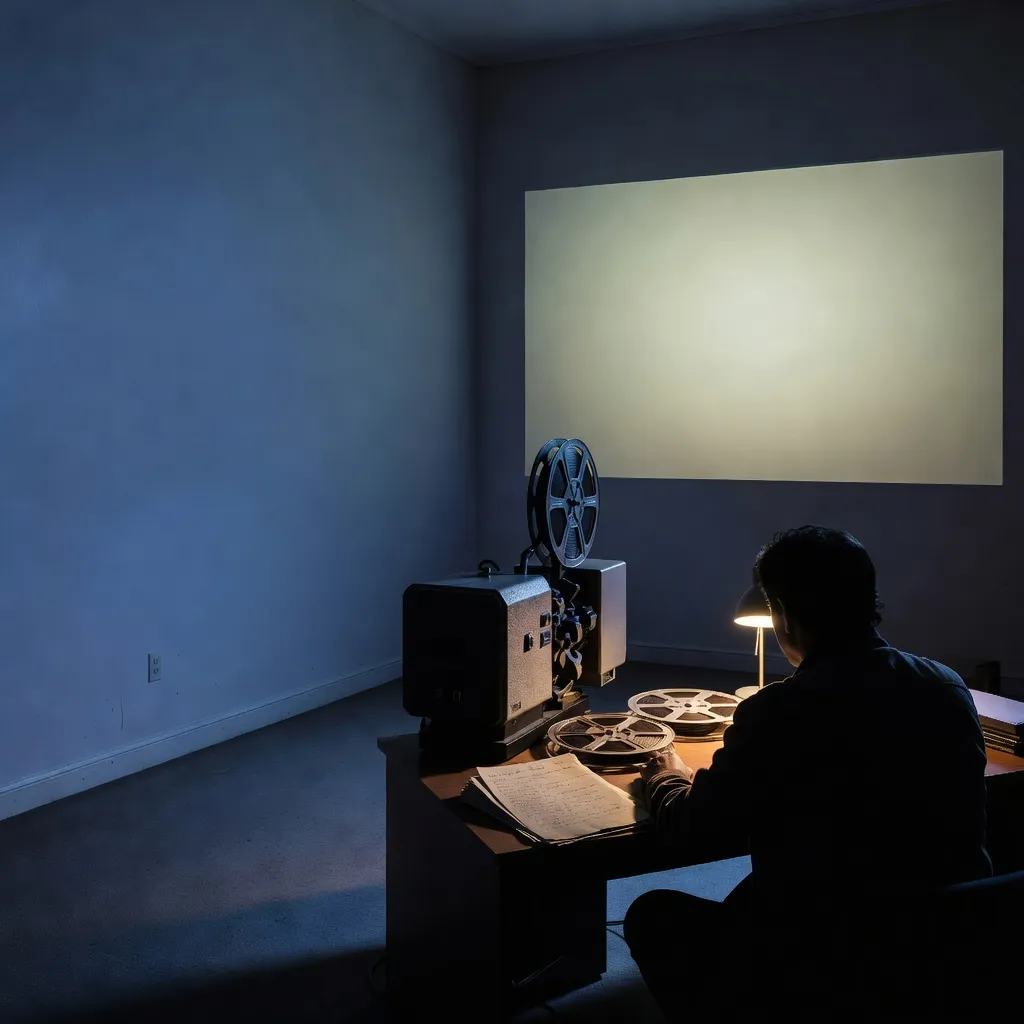
A cinema projection room at blue hour, with a glowing screen, film equipment and a seated programmer in silhouette.
Editorial image for Film Viewpoint.

This week’s editorial pick

Cities after dark: why night changes the way films think

Editorial viewpoint

Film Viewpoint’s interpretation, not an objective verdict.

Night can turn a familiar place into a question. In Night of the Living Dead, George A. Romero’s 1968 film, darkness presses a besieged group into anxious proximity as the world outside becomes hard to read. Martin Scorsese’s Taxi Driver (1976) uses nocturnal movement differently: streets, windows and passing light keep its alienation in motion. Wong Kar-wai’s Chungking Express (1994) makes late-night transit feel restless, intimate and provisional.

This comparison is an editorial way into three distinct films, not a definitive history of city cinema. Readers may find different meanings in the same scenes; the feature follows how public space, isolation and movement change when daylight recedes.

Read the full feature
Production notes

The work behind the frame

Psycho and its credited craft

Psycho was directed by Alfred Hitchcock and released in 1960. Janet Leigh is credited as Marion Crane, Anthony Perkins as Norman Bates, and Bernard Herrmann composed the music. A feature can place those stable credits beside a viewing question without turning a credit into proof of intent. Discussion of what the score or performances suggest remains Film Viewpoint’s editorial reading.

Fact

Janet Leigh is credited as Marion Crane; Anthony Perkins is credited as Norman Bates in Psycho.

Editorial question

How does a shift between those characters alter the viewer’s attention? That question belongs to analysis, not the cast record.

Collection shelf

Follow a line of thought

These collections are editorial pathways: organised invitations to read across the site, not rankings or a single voice for cinema.

Collection

Australian screens, local places

Consider how Australian films use place, weather, distance and suburbia without treating national cinema as one uniform voice. Begin with Peter Weir’s Picnic at Hanging Rock (1975) and Rob Sitch’s The Castle (1997), then follow the different questions each setting makes available.

Picnic at Hanging Rock · 1975The Castle · 1997
Explore Australian screens
Collection

Adaptation without a scorecard

Move between forms by asking about structure, voice and point of view rather than fidelity rankings. This collection brings thematic features into conversation with plot and character reading where useful, leaving room for the specific choices each film makes.

  1. Start with structure
  2. Compare voice and viewpoint
  3. Follow character reading
Explore adaptation articles
Collection

The shape of a mystery Spoilers labelled

Track how films arrange clues, withheld information and perspective through reviews, film stories and character analysis. Where plot detail matters, spoiler discussions remain closed until you choose to reveal them.

Reader-controlled detailExplore mystery reading
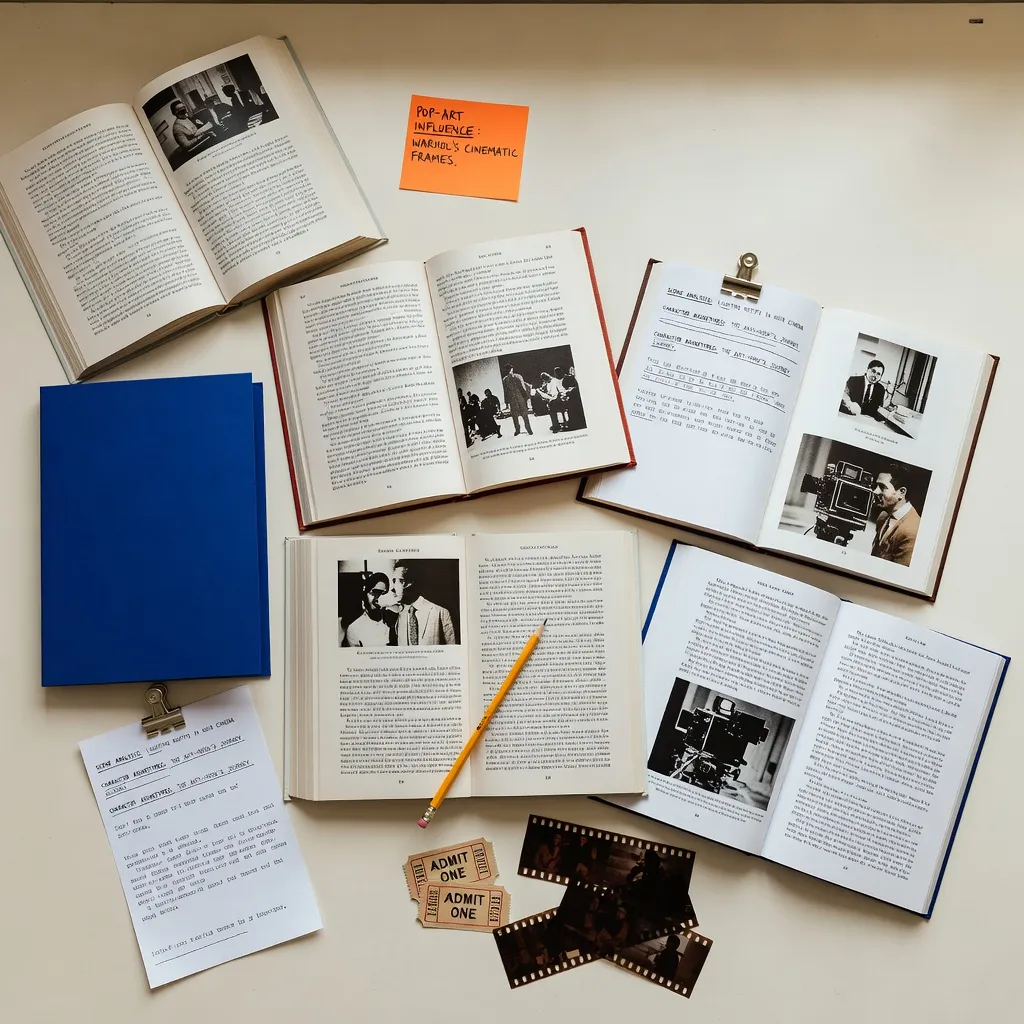
Film reference books, notes, cinema tickets and film strips arranged on a warm desk with a blue folder.
Editorial image for Film Viewpoint.

Spoiler-aware close reading

Plot detail is always your choice

Plot-specific discussion is clearly marked and stays closed until you choose to reveal it. You can close it again whenever you like, and reviews or factual entries signal when spoilers are present so you can decide how much detail to read.

Spoiler discussionThis section contains plot detail about Psycho (1960).

Browse films by idea

Find the next film in the conversation

Search this feature selection by title, director, genre or topic. Results update as you type.

Showing 6 films in this feature selection.

From a feature to a fuller film reading

A feature can open one line of inquiry; these focused routes help you follow it without repeating the same kind of reading.

01

Read the review

A review offers a clear editorial response alongside a thematic feature. Opinion is identified as Film Viewpoint’s editorial work, not a score or a claim of consensus.

Read film reviews
02

Follow the story

Film Stories provide plot summaries and signal detailed discussion with spoiler labels, so you can judge the level of story information before reading further.

Explore film stories
03

Meet the characters

Character profiles consider roles, relationships and narrative function, separating credited details from the editorial interpretation that follows them.

Explore character profiles
04

Search the full catalogue

Move beyond this small selection to search further titles and use genre-led discovery across the wider Film Viewpoint catalogue.

Open the Film Catalogue

Feature desk principles

1

Opinion is named

Reviews, essays and character readings are Film Viewpoint’s editorial work. They are offered as interpretation rather than neutral fact, with room for readers to arrive at another view.

2

Facts are checked and credited

Production facts, release information and credits are presented as factual material and checked against reliable film records where applicable. Fact-led pieces include source or verification notes where relevant.

3

Spoilers stay opt-in

Detailed plot discussion is labelled and requires an explicit reveal where needed. That choice is reversible, so readers can set their own level of detail without technical fuss.

Individual published features display their own publication date and credited imagery information near the article, rather than relying on a page-wide date.

Keep exploring from a fresh viewpoint

Choose a thematic feature for a deeper read, or search the catalogue for a film that opens a new question. Film Viewpoint is built for the useful connections made between one title and the next.