
Character studies

Characters, through a fresh viewpoint

Film Viewpoint is an Australian independent film publication and creative cinema club-style website for readers who want to look beyond a protagonist’s plot function. Our character profiles follow choices, relationships, contradictions and the story world around them, pairing clearly marked film facts with independent editorial analysis and thematic film writing.

Spoiler labels appear before plot-sensitive discussion, so you can choose how far into a story to go.

Editorial illustration of a cinema-goer holding a folded programme in a repertory cinema
Editorial illustration for Film Viewpoint.

Our editorial contract

How to read a profile

Every profile makes room for two useful kinds of reading: what the finished work and credited film information establish, and what Film Viewpoint’s criticism considers from there.

Character facts

What the film establishes

Name
As identified in the work
Performer
Credited role information

Factual profile details identify what a film plainly establishes about a character. This can include a character name, performer, relationships shown on screen and credited production details. We present these points in labelled rows or notes, keeping them distinct from commentary and avoiding claims that reach beyond the work or credited material.

Editorial analysis

Our reading, clearly marked

Analysis considers performance, narrative function, themes and visual storytelling. It is Film Viewpoint’s reading of the finished work, not a claim about what a creator privately intended. Different viewers may find a character’s choices or presence meaningful in different ways.

⚠ Spoiler discussion

Details stay optional

When a close reading needs plot developments, an ending or a decisive turn, it sits behind an explicit spoiler reveal. You can open and close that discussion whenever you choose, and the control announces whether it is expanded for assistive technology.

Browse the collection

Find a character lens

Search this page’s profile collection by character, performer or film title, then combine a genre and story-function lens to narrow the visible selection.

Genre
Story function

Showing 4 character profiles.

Starter profiles

Profiles to begin with

Each preview is non-spoiler. Use the filters above to change the visible set.

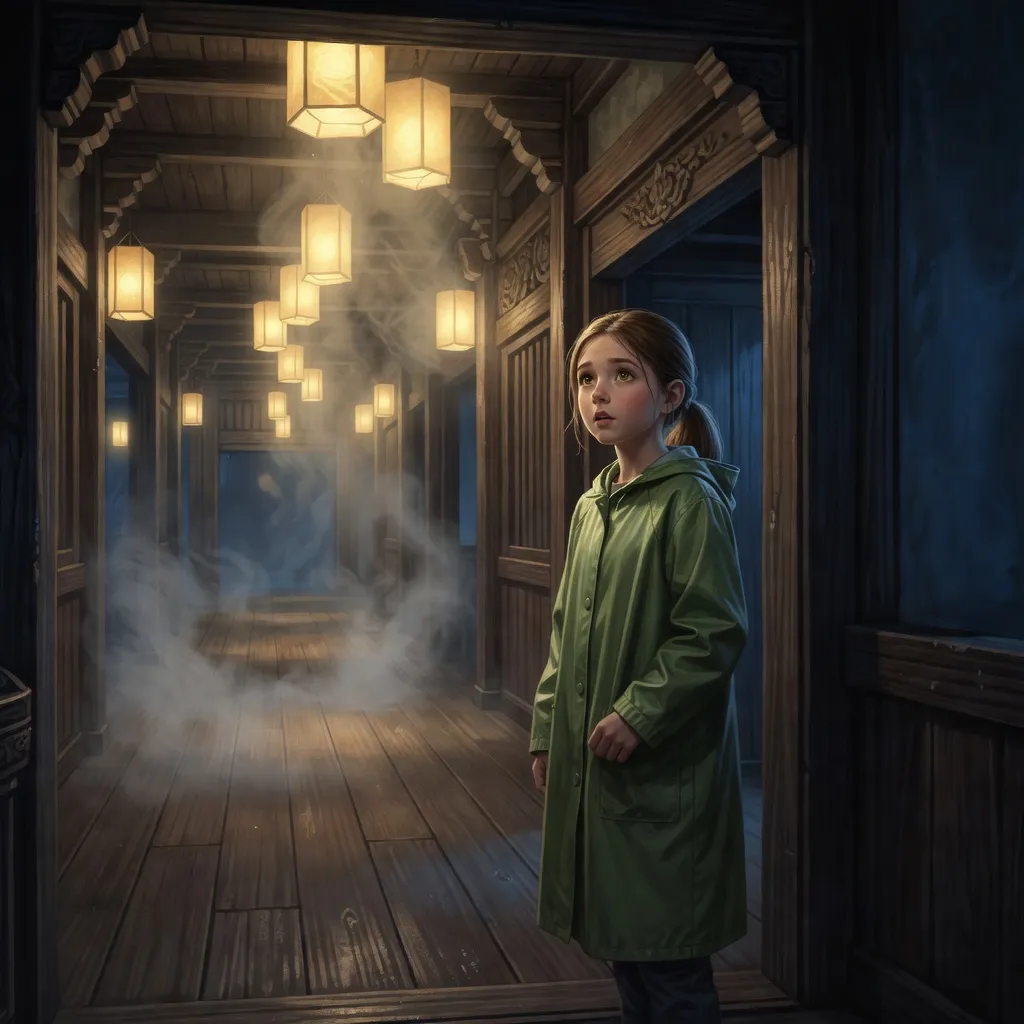
Editorial illustration of a young traveller observing a lantern-lit corridor
Editorial illustration; not official film artwork.
Animation · Fantasy

Chihiro Ogino — Spirited Away

Rumi Hiiragi, original Japanese voice performer · Spirited Away (2001), written and directed by Hayao Miyazaki

Chihiro is the young protagonist of Hayao Miyazaki’s 2001 animated film. This profile follows attentiveness, work and changing confidence without treating growth as a simple lesson. It considers how the film’s shifting environments make her observations and responses visible, while keeping the story’s outcome outside the preview.

Read Chihiro’s profile
Crime · Television

Jesse Pinkman — Breaking Bad

Aaron Paul · Breaking Bad, created by Vince Gilligan

Jesse Pinkman is a central character in Breaking Bad, portrayed by Aaron Paul. Our non-spoiler introduction looks at vulnerability, consequence and the changing balance of agency in an ensemble crime drama. The profile asks how performance can keep uncertainty present even when a scene appears to assign a clear role.

Read Jesse’s profile
Editorial illustration of a determined traveller on a red-earth plain beside a tanker silhouette
Editorial illustration; not official film artwork.
Action · Science fiction

Furiosa — Mad Max: Fury Road

Charlize Theron · Mad Max: Fury Road (2015), directed by George Miller

Imperator Furiosa is a principal figure in George Miller’s 2015 film, portrayed by Charlize Theron. This preview stays with action choreography, visual legibility and ethical resolve: how the film lets a decision register through movement, framing and the practical pressures of its landscape, without reaching into later franchise material.

Read Furiosa’s profile
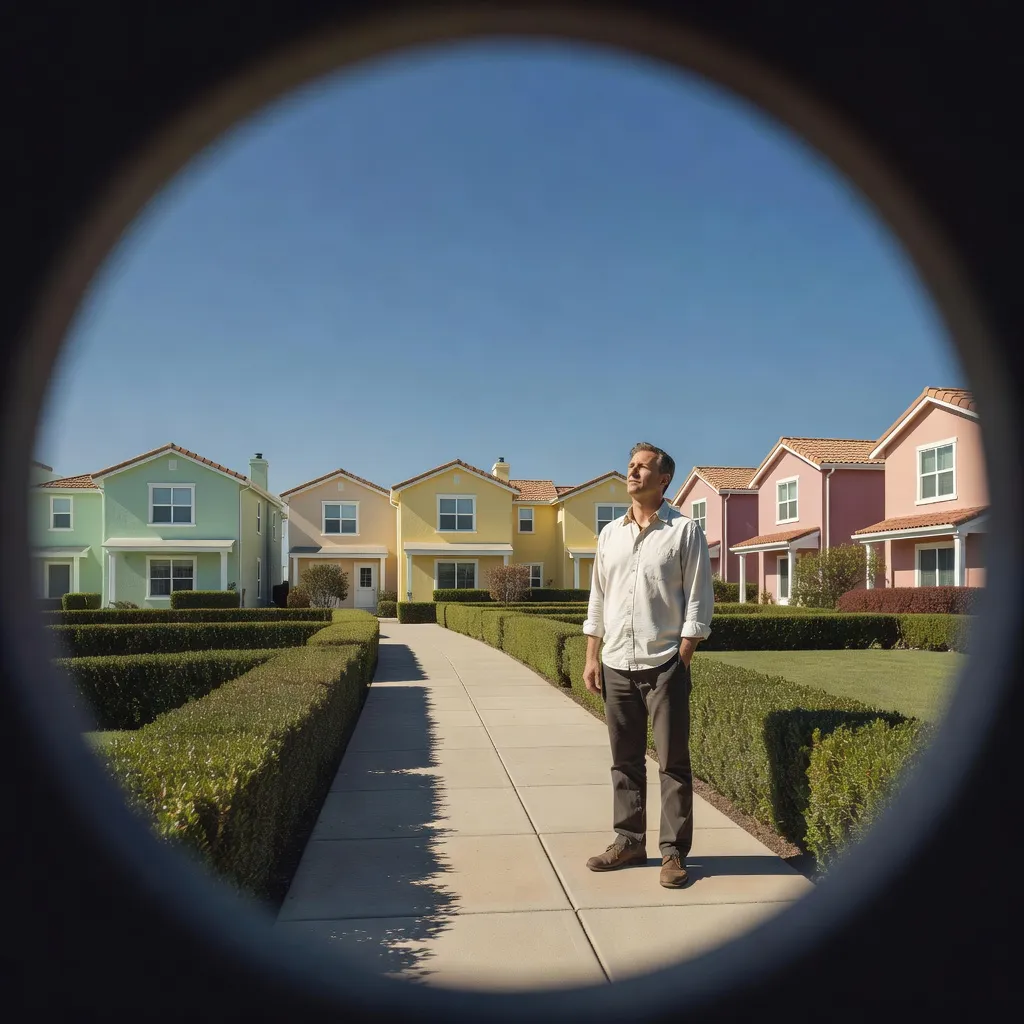
Editorial illustration of an isolated man on a tidy suburban footpath beneath a clear blue sky
Editorial illustration; not official film artwork.
Drama · Satire

Truman Burbank — The Truman Show

Jim Carrey · The Truman Show (1998), directed by Peter Weir, written by Andrew Niccol

Truman is the central figure in Peter Weir’s 1998 film, played by Jim Carrey. The profile considers routine, performance and the audience’s place in the film’s satirical design. It stays at the level of tone and perspective here, preserving the story’s central discoveries for an explicitly labelled discussion.

Read Truman’s profile

Reading beyond recap

Character writing, not plot recap

A profile does not need to retell a film to give a reader something useful. These are the questions that help our close readings stay anchored in on-screen evidence and formal detail.

01

Choices under pressure

We begin with choices a character makes, the circumstances a film lets us see and the way performance or staging shapes a response. That means separating observation from judgment: a pause, line, action or framing choice can be described before it is interpreted. Rather than marching through plot chronology, this lens follows how scene construction gives a decision weight.

02

Relationships and points of view

Character meaning often changes according to who gets to speak, who is watched and who is believed in a scene. This matters especially in ensemble films and television, where attention may move unevenly between people. Our analysis treats that distribution as an interpretive question, inviting readers to notice how relationships can alter the meaning of a look, silence or exchange.

03

Form carries character

Costume, sound, framing, editing, animation and production design can shape a character’s presence without reducing them to a plot device. This is close reading of the finished work, not a claim about unsourced behind-the-scenes decisions. Alongside dialogue, we invite readers to notice what a film lets its visual and sonic form tell us about proximity, pressure and possibility.

Close reading
example

A spoiler-aware format

Close reading: Truman Burbank’s point of view

Film facts

Character
Truman Burbank
Performer
Jim Carrey
Film
The Truman Show (1998)
Director
Peter Weir
Writer
Andrew Niccol

Credits and release year are presented as film information; the reading below is editorial analysis.

Editorial analysis

Jim Carrey’s performance gives Truman an alertness that can look comic one moment and quietly uneasy the next. In Peter Weir’s controlled visual framing, ordinary routines carry a slightly staged precision: a greeting, a familiar route or a domestic exchange becomes something the film invites us to notice rather than simply accept. The effect is not only satirical. It also makes Truman’s point of view important, because the viewer is asked to feel the gap between a comfortable pattern and the small disruptions that begin to press against it.

Andrew Niccol’s screenplay gives that tension a clear shape, while Carrey keeps the character’s reactions immediate rather than abstract. Our reading is not a definitive explanation of Truman. It is an invitation to watch how comedy and discomfort coexist whenever routine starts to demand more belief than the character can comfortably give.

⚠ Spoiler discussion: later plot developments in The Truman Show

Editorial paths

More ways into a character

Follow an interpretive interest rather than a single title with these no-spoiler reading paths.

Unreliable points of view

This editorial reading path is for films where perspective, memory or narration changes how a character is understood. It is not a ranked list; it is a way to notice how a story gives, withholds or revises access to a person’s experience without giving away plot turns.

Explore point-of-view stories

Ensembles and shared attention

In an ensemble, character meaning emerges through group dynamics, competing needs and shifting points of view. This path looks beyond a single-protagonist model, asking how a scene changes when attention moves between people and when a relationship carries information no one person can hold alone.

Read ensemble character studies

Growing up on screen

Coming-of-age writing can attend to social spaces, family, friendship and changing self-image without forcing a neat lesson onto a character. Explore stories that make room for uncertainty, observation and the practical textures that can make a shift in self-understanding feel earned.

Explore coming-of-age stories

Continue exploring

From character to film

A character profile can be one way into a film, then sit alongside reviews, stories and production information when you want a wider frame.

Catalogue route

Start with the film

Film Viewpoint’s searchable, genre-filterable film catalogue helps you approach a title from the question that interests you most. A film may have a review, plot summary, character profile, production facts or thematic article, but not every title will have every format. Start with the available context and build your own route through it.

Browse the film catalogue
Reading route

Follow the question

Move from a non-spoiler character profile to a review or a spoiler-labelled plot discussion when you want more context. Film Viewpoint keeps factual film information and editorial opinion visibly distinct, while story-sensitive material is labelled before it opens so you remain in control of revelations.

Character profile editorial note

A clear basis for close reading

Accuracy and attribution

Profiles identify performers and credited film details where they are relevant, then separate those details from Film Viewpoint’s own reading of a character. Publication information is presented in readable editorial formats, so readers can see when they are looking at film information and when they are entering interpretation grounded in the finished work.

Spoilers stay optional

Plot-sensitive character analysis is labelled before detailed discussion and presented through a control you can open or close. You decide whether a profile remains a non-spoiler introduction or becomes a closer reading.

Return to character profiles